Case Ih Axial Flow combines are offered in three different series, for a total of six models covering five power classes. Common to the entire range are the high standards of automation and digitalization, designed to make even the most demanding harvesting cycles profitable and fast
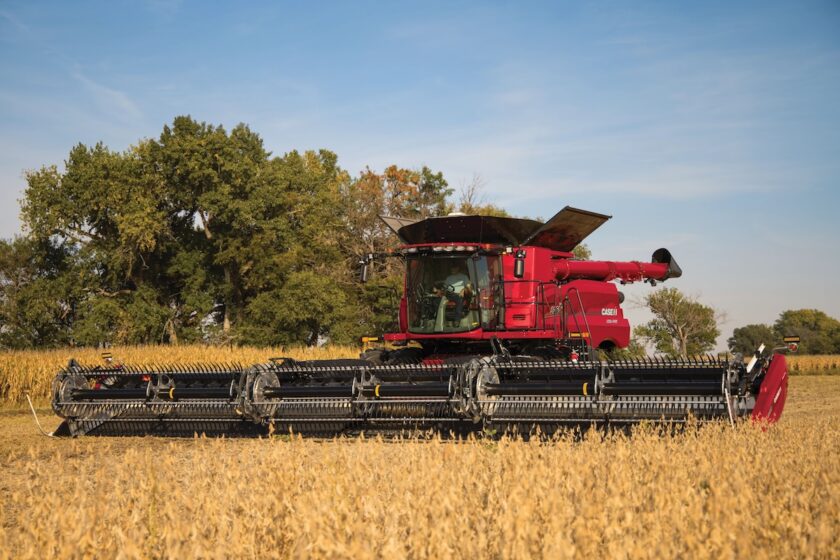
The first “Axial Flow” rotary combine was launched in 1977, and since then Case Ih has never stopped evolving its machines, continuously introducing new technical solutions aimed at maximizing harvesting efficiency while minimizing fuel consumption and making operators’ work easier. This nearly half-century of refinement has led the American brand to its current offering of six models, divided into three series, covering a power range between 400 and 775 horsepower.
At the entry level are the two versions “6160” and “7160,” part of the “Axial Flow 160” series, with maximum outputs of 400 and 460 horsepower, aimed at medium-to-large farms managing their own harvesting. A step above are the three models of the “Axial Flow 260” series—“7260,” “8260,” and “9260”—delivering between 498 and 634 horsepower, mainly targeting the needs of larger arable farms and contractors.
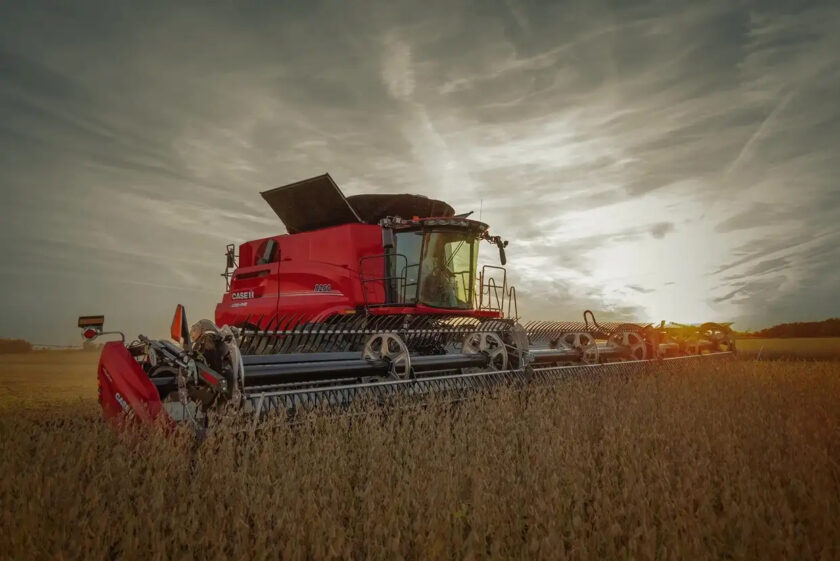
At the top of the range is the flagship “Af10” combine, short for “Axial Flow 10,” designed to support intensive harvesting cycles on extensive areas thanks to the innovative dual-axial separation system “AfXl,” replacing the traditional Case IH single rotor technology found on the “Axial Flow 160” and “Axial Flow 260” series.
Developed on a Cnh Industrial design platform, the “AfXl” system features a linear driveline aimed at maximizing operating efficiency by minimizing energy losses. For this reason, the engine—a six-cylinder Fpt Industrial “Cursor 16” with 15.9 liters displacement and a maximum output of 775 horsepower—has been mounted longitudinally at the same angle as the rotors. These rotors, longer than the single rotor used in the lower ranges, are driven by a centrally positioned gearbox that also powers the feeder channel and headers.
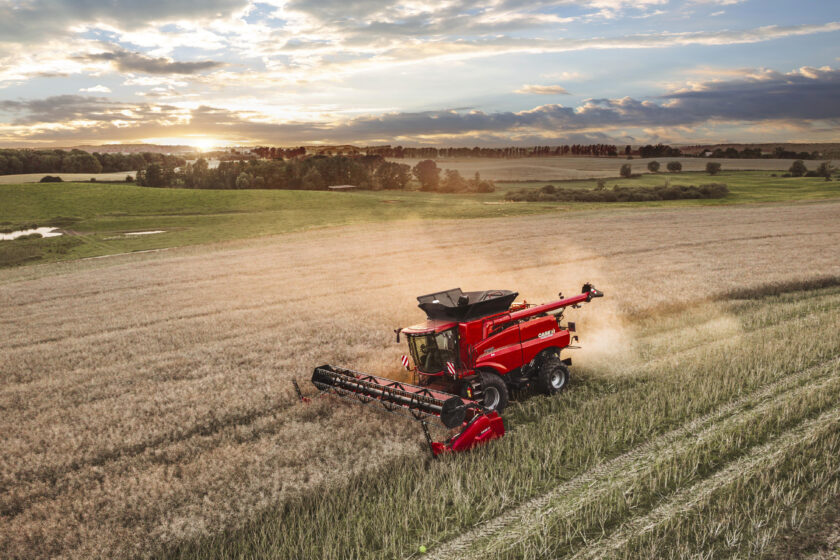
The “Axial Flow 160” and “Axial Flow 260” series are also powered by six-cylinder FPT Industrial engines: the former by the “Cursor 9” with 8.7 liters displacement, while the latter’s three models feature “Cursor 11,” “Cursor 13,” and “Cursor 16” engines with displacements of 11.1, 12.9, and 15.9 liters respectively.
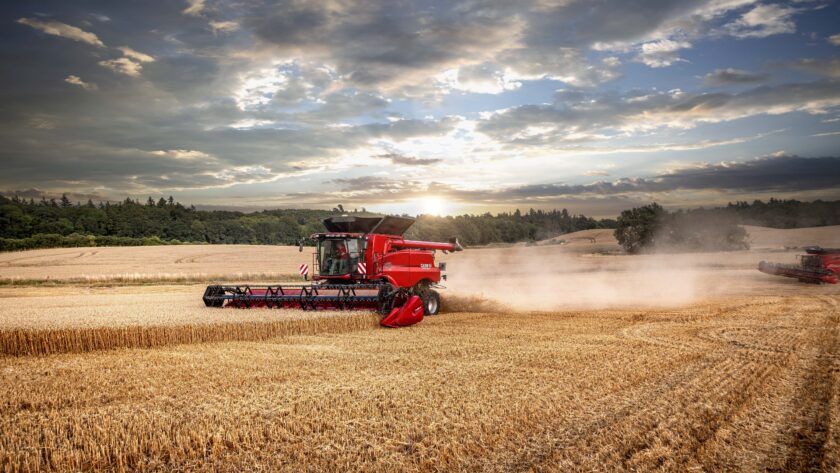
Common across the entire Case Ih combine range is the option to automate harvesting operations through the combined action of the “Harvest Command” system—which proactively adjusts and optimizes work groups based on data collected from 16 different sensors—and the “Advanced Farming System” (AFS) digital platform. The latter integrates a full suite of solutions to support all stages of work, from the “AccuSync” and “AccuGuide” autonomous driving systems to the “Afs Connect” functionality, which keeps machines constantly connected with farms and dealerships to address any technical or administrative needs in real time.
More speed, same quality
The “Axial Flow” combine range can now be equipped with the new “G500V VariCut” grain headers, seven models covering working widths from 6.1 to 12.5 meters. Standard equipment includes a knife bar adjustable forward and backward by 575 millimeters, ensuring a constant crop flow regardless of crop type or harvesting conditions. With grouped couplings on the left side for quicker attachment and detachment, the new “G500V VariCut” headers also feature a telescopic driveshaft instead of the traditional belt drive, significantly reducing maintenance time.
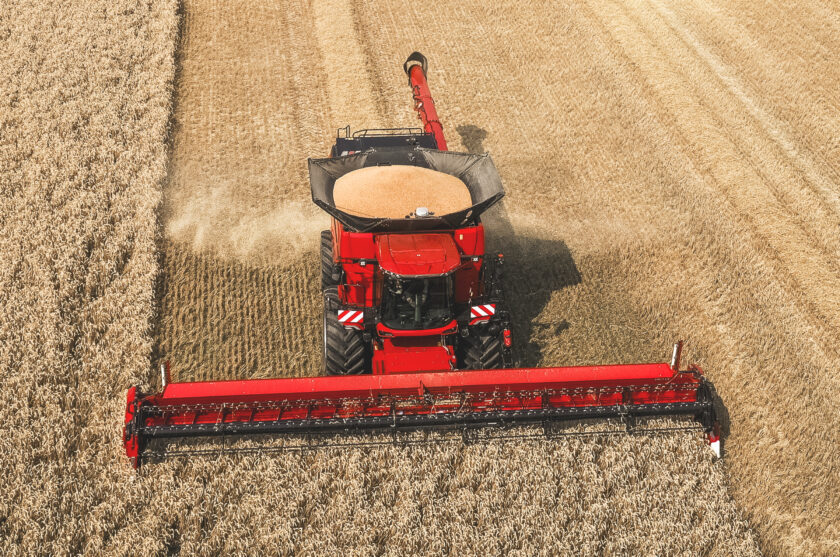
The 10.5- and 12.5-meter models also come with a fully synchronized dual-knife drive, with the right knife powered by the feeder auger, designed to minimize vibration during demanding harvests. Across all versions, knife speed has been increased from 660 rpm in the previous generation headers to 735 rpm in the new models—an upgrade that allows “Axial Flow” combines to operate at higher ground speeds, under equal conditions, without compromising cutting quality.
Title: Case Ih Axial Flow combines: six models, five power classes
Translation with ChatGPT