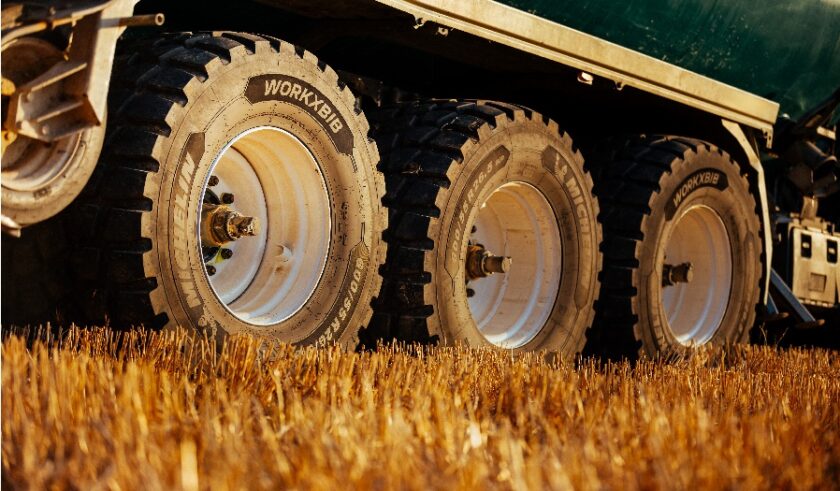
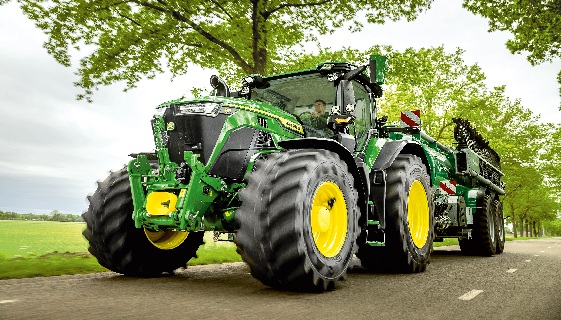
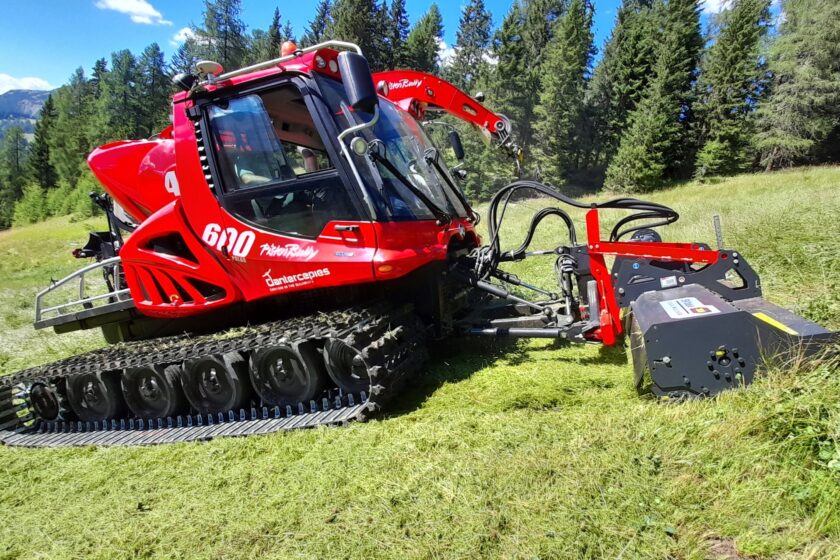
Designed for summer maintenance activities in mountain ski resorts, Seppi’s S9 Base hammer mulchers support the sustainable management of ski slopes thanks to a high peripheral-speed rotor capable of ensuring uniform and precise shredding even at operating speeds of up to 10 km/h
The recent Milano Cortina 2026 Winter Olympic Games put two iconic Italian ski resorts in the international spotlight: Cortina d’Ampezzo and Bormio. Their famous ski slopes, the Olympia delle Tofane and the Stelvio, hosted the downhill competitions. They also witnessed the victories of Italian athletes Federica Brignone, Sofia Goggia, Giovanni Franzoni and Dominik Paris.
The spectacular landscapes captivated television audiences worldwide. The Dolomites provided a stunning backdrop in Cortina, while the Rhaetian Alps framed the Bormio competitions. Both ski slopes also received widespread praise for the excellent quality of their courses.
For regular followers of the Alpine Ski World Cup, this quality comes as no surprise. However, many people may be unaware of the complex engineering involved in building and maintaining ski slopes. Ski runs are not simply natural downhill routes. They are sophisticated engineering projects that require careful planning, extensive terrain modifications and continuous maintenance.
The work does not stop when the winter season ends. Ski slope construction, preparation and maintenance involve year-round activities. These operations are essential to ensure safety, performance and optimal conditions for professional competitions and recreational skiing alike.
Modern maintenance practices, increasingly focused on protecting the landscape and natural environment, include strategic summer interventions aimed at both environmental preservation and hydrogeological stability. These activities are essential for securing mountain slopes against potential landslides and soil instability.
Strateci activities
In this context, key roles are played by rainwater flow management and erosion control measures, as well as by operations such as vegetation residue shredding, stone removal, filling depressions, and adding soil to ensure uniform grass coverage across the entire ski area.
These measures are also important because well-managed and properly maintained slopes require less snow during the winter season to accommodate skiers. In practical terms, this provides ski resort operators with significant advantages: reduced energy consumption for artificial snow production, easier slope grooming and preparation, and lower fuel consumption by snow groomers.
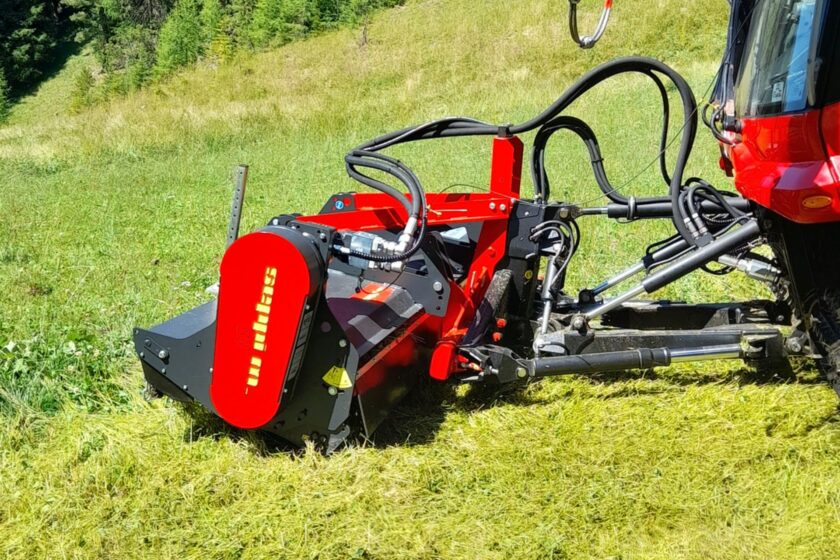
These strategic and sustainable activities are at the core of Seppi’s engineering expertise. The company has developed technical solutions for more efficient and environmentally friendly ski resort maintenance. These solutions focus on the optimal treatment of plant residues. They also help prevent vegetation damage and soil erosion caused by insufficient ground aeration.
The latest development in this field is the S9 Base range of hammer mulchers. These machines can shred grass, branches and other plant material up to nine centimetres in diameter. They can also operate at forward speeds of up to 10 km/h. This combination of working capacity and speed makes the S9 Base suitable for demanding ski slope maintenance operations.
Helix Rotor
This performance is made possible above all by the presence of a high peripheral-speed rotor called Helix Rotor, equipped with Smo hammers manufactured from forged and hardened steel. These components ensure uniform and precise cutting thanks to their helical arrangement, which optimizes force distribution along the entire rotor axis.
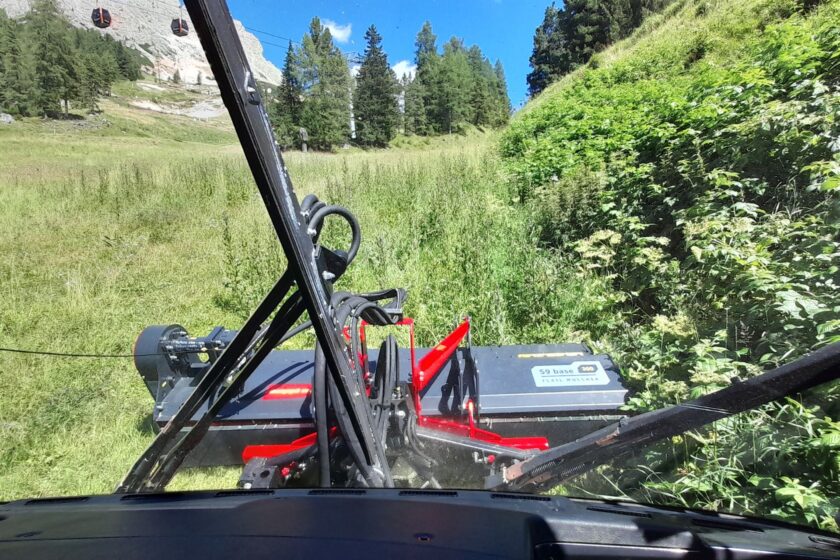
Available with working widths ranging from two to three meters, the S9 Base mulchers also feature a double-layer frame with replaceable internal walls made from S420 wear-resistant steel. This design provides high levels of structural strength, while the adjustable M-Flap rear hood adapts to the type of material being shredded and works together with a reinforced rubber support roller, also adjustable in height.
Further improvements to operating performance and machine durability are provided by protective chains connected to special flaps that, when inclined, create a barrier preventing shredded material from becoming trapped in the chains. The belt protection system also contributes to reliability through the integration of a dedicated deflector.
Title: Seppi S9 Base hammer mulchers: olympic performances
Translation with ChatGPT