Launching an innovative product is by no means synonymous with success, a fact clearly illustrated by the challenges currently facing the Danish startup Agrointelli, manufacturer of the “Robotti” autonomous implement carrier.
Despite these achievements, the company has been in bankruptcy proceedings since February 27, when a court declared it insolvent due to a chronic lack of liquidity, despite an active order book and technology that had been widely validated by the market
For years, the world’s most industrialized countries have encouraged and supported so-called “startups” — young, dynamic companies focused on leveraging the latest technological innovations to create scalable business models with high growth potential.
However, the very concept of “potential” inherently implies “risk”. Statistics show that between 90 and 95 percent of startups fail within their first five years due to factors such as the absence of genuine market demand, depletion of financial resources, intense competition, incorrect pricing strategies, and inadequate marketing efforts.
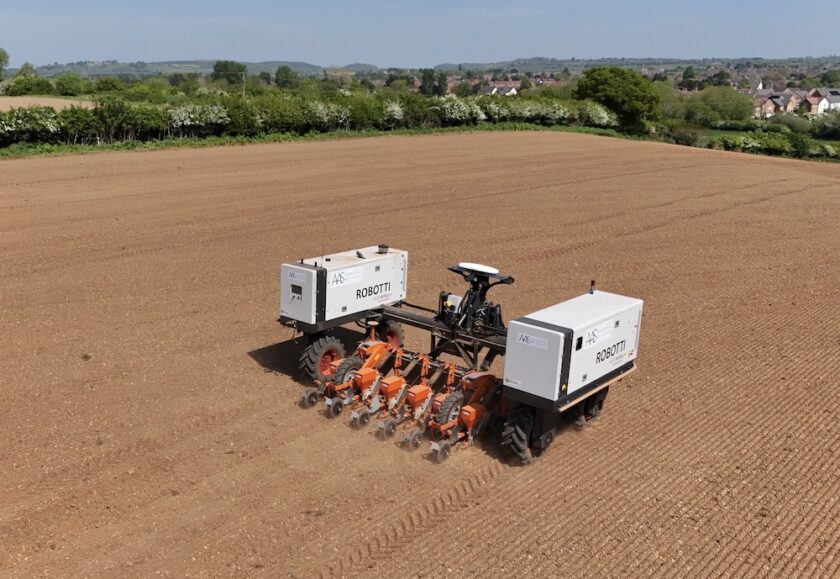
Launching an innovative product is by no means synonymous with success, a fact clearly illustrated by the challenges currently facing the Danish startup Agrointelli, manufacturer of the “Robotti” autonomous implement carrier. This autonomous platform has been sold in more than twenty countries and its capabilities have been validated through over 10,000 operating hours in the field.
Despite these achievements, the company has been in bankruptcy proceedings since February 27, when a court declared it insolvent due to a chronic lack of liquidity, despite an active order book and technology that had been widely validated by the market.
At present, one possible scenario involves the sale of the company’s technologies, patents, and workforce to new investors without the burden of existing liabilities. Nevertheless, the case clearly demonstrates that the technological maturity of a product alone is not sufficient to guarantee the financial sustainability of the company that develops it.
This is particularly true when the time comes to enter a phase of global expansion. Moving from pilot projects to worldwide fleets requires substantial investment and strong industrial partners capable of supporting the costs associated with comprehensive service and distribution networks.
Title: Agrointelli, a failing Danish startup
Translation with ChatGPT